Should You Renovate Before Selling Your East Cobb Home? 7 Improvements to Consider
If you're thinking about selling your home in East Cobb, Georgia, you may be wondering whether you should renovate before putting it on the market. Should you update the kitchen? Replace the flooring? Refresh the bathrooms? Or would you be better off selling your home as it is?
The answer depends on your home's current condition, your budget, your timeline, and the expectations of buyers in your neighborhood.
East Cobb is known for its established residential neighborhoods, mature landscaping, and variety of home styles, from traditional brick homes to extensively renovated properties. Because homes can vary significantly in age, layout, and finishes, the right pre-sale improvements for one property may not make sense for another.
The goal isn't to make your home brand-new. It's to make it appealing, well-maintained, and competitive with similar homes on the market.
Before investing in a major renovation, consider these seven improvements that may help your East Cobb home make a stronger impression on potential buyers.
1. Refresh Your Home With a Fresh Coat of Paint
Fresh paint is one of the first improvements to consider when preparing to sell your home. Scuffed walls, bold paint colors, and dated finishes can make rooms feel older or less inviting than they really are.
A fresh coat of neutral paint can help rooms feel brighter, cleaner, and more cohesive. It also makes it easier for buyers to imagine how they would decorate the space.
Before listing your East Cobb home, consider:
- Repainting walls with visible scuffs, stains, or damage.
- Choosing versatile neutral colors that complement your home's existing finishes.
- Touching up trim, doors, and baseboards.
- Addressing peeling or weathered exterior paint where needed.
You don't necessarily need to repaint every room. Focus first on spaces where the existing paint is visibly worn or where the color distracts from the home's best features.
For sellers working with a limited budget, targeted paint updates can be a practical way to improve presentation without committing to a major renovation.
2. Improve Curb Appeal and Landscaping
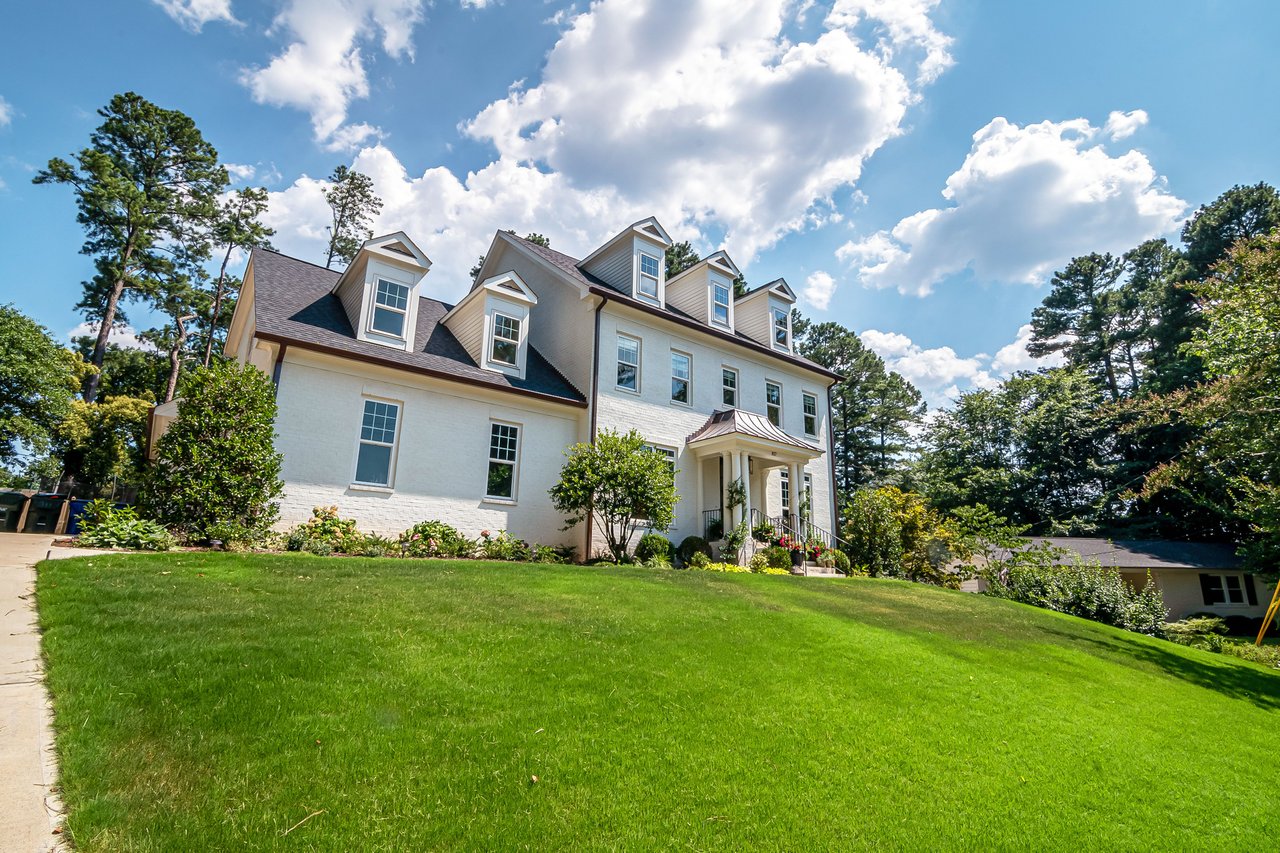
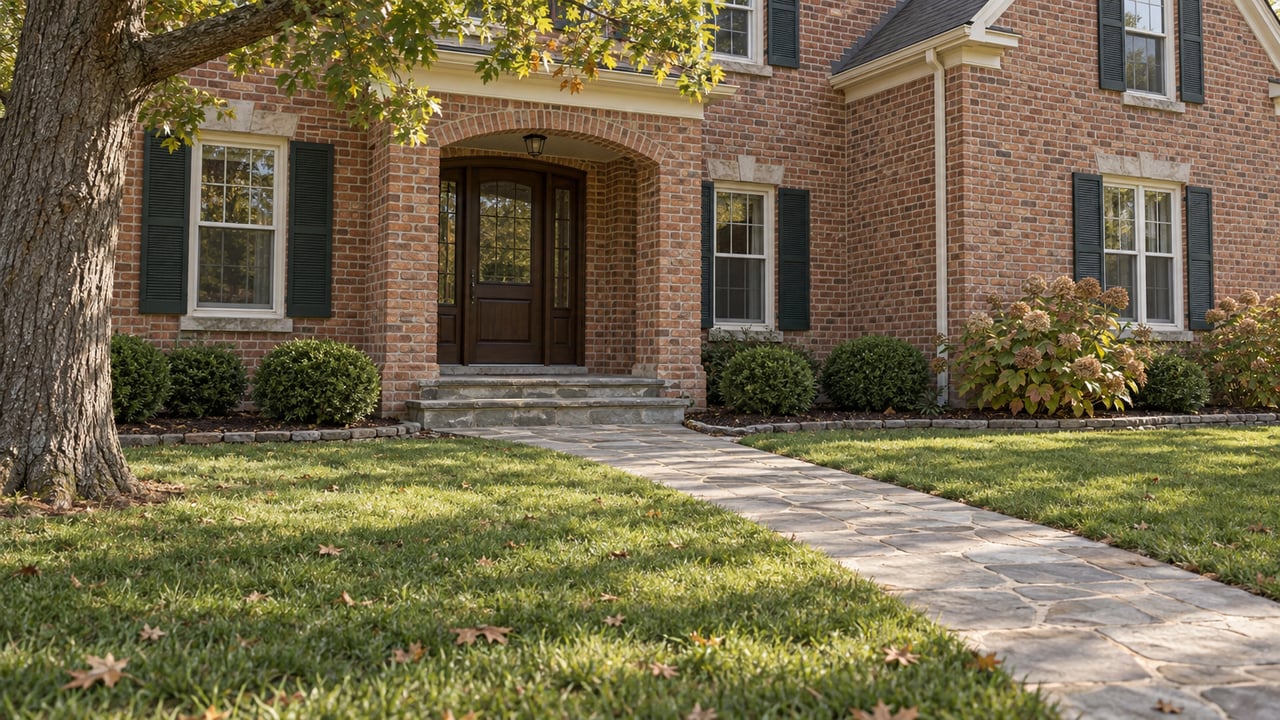
First impressions begin before buyers walk through the front door. Your home's exterior helps establish expectations for the rest of the property, making curb appeal an important part of preparing to sell.
Many East Cobb neighborhoods feature mature trees, established landscaping, and traditional architectural styles. These can be attractive selling points when the yard and exterior are well-maintained.
You may not need an elaborate landscaping project. Start with the basics:
- Trim overgrown shrubs and remove dead plants.
- Refresh mulch in planting beds.
- Mow and edge the lawn.
- Clean the driveway, walkway, and front porch.
- Remove weeds and clear away fallen branches.
- Clean the front door and update worn exterior lighting.
- Add simple seasonal flowers or greenery where appropriate.
If your home's exterior looks particularly dated, consider whether repainting the front door, refreshing exterior trim, or repairing damaged siding would make a noticeable difference.
Before investing in a complete landscape redesign, compare your home with similar properties in your neighborhood. A neat, welcoming exterior may be all you need to help buyers appreciate the property.
3. Update the Kitchen Without Completely Remodeling It
Kitchens often play an important role in a buyer's decision. However, that doesn't mean you need to undertake an expensive kitchen renovation before selling.
A full remodel can involve substantial costs, contractor coordination, and delays. Depending on your home's existing condition and price range, smaller cosmetic improvements may be a more sensible investment.
Consider whether any of these updates would improve your kitchen's appearance:
- Replace dated cabinet hardware.
- Update old light fixtures.
- Repair damaged cabinet doors or drawers.
- Clean grout and refresh worn caulking.
- Clear countertops to create a more open appearance.
- Address visibly damaged countertops or flooring.
- Repaint or refinish cabinets if their condition and material make it appropriate.
If your cabinets are structurally sound and your kitchen layout works well, replacing everything may be unnecessary.
On the other hand, if your kitchen is substantially more dated than those in competing homes, a larger project may deserve consideration. The key is to compare the likely cost of the renovation with the expectations of buyers shopping at your home's anticipated price point.
Before committing to a kitchen remodel, determine whether the project solves a problem buyers are likely to notice—or simply reflects your personal design preferences.
4. Refresh Bathrooms and Address Visible Wear
Bathrooms are another area where buyers may notice dated finishes or signs of deferred maintenance. Fortunately, a complete renovation is not always necessary to make these spaces feel cleaner and more current.
Depending on the condition of your bathrooms, relatively simple improvements may include:
- Replacing outdated light fixtures or mirrors.
- Recaulking tubs and showers where needed.
- Cleaning or repairing grout.
- Replacing worn faucets or cabinet hardware.
- Touching up paint.
- Repairing dripping faucets or running toilets.
- Deep cleaning tile, glass, and other surfaces.
Pay particular attention to signs of moisture damage. Discolored ceilings, soft flooring, persistent odors, and recurring leaks should be investigated rather than covered up with cosmetic improvements.
If the bathroom is functional but stylistically dated, a modest refresh may be sufficient. If it has significant plumbing problems, damaged surfaces, or an impractical layout, more extensive work may be worth evaluating.
As with the kitchen, compare your home with similar East Cobb properties before deciding how much to spend.
5. Repair Worn Flooring and Improve Consistency Throughout the Home
Flooring can influence how buyers perceive the condition of an entire home. Stained carpet, damaged hardwood, cracked tile, and mismatched flooring can make otherwise attractive spaces feel less polished.
Before replacing all your floors, determine what actually needs attention.
Potential improvements include:
- Professional carpet cleaning.
- Repairing damaged hardwood.
- Refinishing hardwood floors when appropriate.
- Replacing carpet that is heavily stained or worn.
- Repairing cracked or loose tile.
- Addressing transitions between different flooring materials.
In some East Cobb homes, original hardwood floors can be an appealing feature. If your home has hardwood beneath older carpet, it may be worth determining whether the floors can be restored before purchasing new materials.
Consistency also matters. You don't necessarily need identical flooring throughout the house, but the materials should feel intentional and work together visually.
If replacement is necessary, choose durable, broadly appealing materials that complement the home's style and the expectations of buyers in your market segment.
6. Take Care of Maintenance and Repairs Before Listing
Not every valuable pre-sale improvement is cosmetic. In some cases, addressing maintenance concerns should take priority over updating finishes.
Buyers may be more hesitant to make an offer—or may reconsider their offer after an inspection—if they discover significant problems that were not apparent during the initial showing.
Before listing your home, evaluate the condition of major systems and visible structural components, including:
- The roof and gutters.
- Heating and air conditioning systems.
- Plumbing and electrical components.
- Windows and exterior doors.
- Decks, railings, and exterior stairs.
- Signs of water intrusion or moisture damage.
- Damaged siding, trim, or woodwork.
You don't necessarily need to replace an older system simply because it isn't new. Instead, determine whether it is functioning properly, whether repairs are needed, and how its condition compares with buyer expectations.
If you suspect a significant issue, consider obtaining an evaluation from a qualified professional. Depending on the circumstances, a pre-listing inspection may also help you understand potential concerns before a buyer raises them.
Addressing important repairs early can help you make informed decisions, prepare appropriate disclosures, and reduce surprises during negotiations.
7. Declutter, Deep Clean, and Stage Your Home
One of the most effective ways to prepare your home for sale may not involve construction at all.
Decluttering, cleaning, and thoughtful staging help buyers focus on the home's space, layout, and features rather than the belongings inside it.
Start by removing excess furniture, clearing countertops, organizing closets, and packing away items you don't need for everyday living. A less crowded home can make rooms feel more spacious and help buyers understand how the space could work for them.
Before professional listing photos and showings, prioritize:
- Deep cleaning kitchens and bathrooms.
- Cleaning windows and window treatments.
- Removing personal items and excess decorations.
- Organizing closets, pantries, and storage areas.
- Arranging furniture to create clear walking paths.
- Making beds and tidying bedrooms.
- Maximizing natural light and replacing burned-out bulbs.
- Addressing pet odors and other persistent smells.
You may also want to consider professional staging, particularly if your home is vacant, has an unusual layout, or would benefit from a more cohesive presentation.
Staging doesn't have to mean furnishing every room. Focus on the spaces that help buyers understand how they might live in the home, such as the living room, kitchen, primary bedroom, and main entertaining areas.
A clean, thoughtfully presented home can make a strong impression in listing photographs and during in-person showings—without the expense of a major renovation.
Which Renovations Are Worth the Investment?
There is no universal list of improvements that guarantees a higher sale price. The best decision depends on the home's condition, the cost of the project, and what buyers are willing to pay for comparable properties.
As you consider your options, use the following framework.
Improvement | When to consider it | Main objective |
|---|---|---|
Fresh paint | Walls are scuffed, dated, or visibly worn | Improve appearance |
Landscaping | The exterior looks overgrown or neglected | Strengthen first impressions |
Kitchen refresh | Finishes look tired but the layout works | Modernize without a full remodel |
Bathroom updates | Fixtures or finishes are visibly dated | Improve cleanliness and appeal |
Flooring repairs | Floors are damaged, stained, or inconsistent | Improve condition and visual flow |
Maintenance repairs | Buyers may notice defects or system problems | Reduce concerns and surprises |
Decluttering and staging | Rooms feel crowded or difficult to visualize | Highlight space and functionality |
Before spending money, ask yourself three questions:
1. Will buyers notice the improvement? Prioritize visible issues and features that meaningfully affect the home's condition or presentation.
2. Does the project fit the neighborhood and price range? A major renovation that makes sense for one property may be difficult to justify for another.
3. Is the likely benefit worth the cost? Consider the contractor's estimate, your selling timeline, potential delays, and whether the work is likely to improve your home's competitiveness.
Remember that a renovation's cost is not necessarily equal to the amount it adds to your sale price. Even an improvement that helps your home sell more easily may not return every dollar you spend.
What East Cobb Homeowners Should Consider Before Renovating
East Cobb includes a wide range of homes, from older properties with original finishes to extensively updated homes in established neighborhoods. That variety makes it especially important to evaluate your property in context.
A home in Indian Hills, for example, may compete with a different group of properties than a home in another East Cobb neighborhood or school zone. Even homes on the same street can have different renovation needs based on their layouts, condition, lot characteristics, and asking prices.
Before beginning a project, review comparable homes that have recently sold and properties currently competing for buyers. Pay attention to their condition, finishes, listing photographs, and time on the market.
You should also account for the time needed to complete the work. A renovation that seems worthwhile on paper may not be practical if it delays your listing or requires extensive coordination.
If you're considering structural changes or other substantial work, verify applicable permit requirements with Cobb County before starting. For smaller projects, confirm that any contractor you hire is appropriately qualified and insured for the work.
Most importantly, avoid making major decisions based solely on what you would want in your next home. Your objective is to prepare the property for the buyers most likely to purchase it.
So, Should You Renovate Before Selling Your East Cobb Home?
In many cases, a few targeted improvements can be more practical than a full-scale renovation. Fresh paint, tidy landscaping, minor kitchen and bathroom updates, flooring repairs, and thorough cleaning can help a home feel well-maintained and ready for its next owner.
However, some homes need more substantial repairs, while others are already in excellent condition and may be ready to list with minimal preparation.
The right strategy begins with understanding your home's current condition, its likely market value, and the properties it will compete against.
Before hiring contractors or committing to an expensive project, consider asking a local real estate professional to walk through your home and help you prioritize improvements. An informed plan can help you avoid unnecessary expenses and focus your time and money on what matters most to prospective buyers.
Thinking About Selling Your East Cobb Home?
If you're preparing to sell a home in East Cobb or the greater Marietta area, a personalized pre-listing plan can help you determine which improvements are worth considering and which projects you can skip.
Contact me to discuss your home's condition, evaluate its position in the local market, and develop a practical plan for preparing it for sale. The goal is to help you make informed decisions, present your home confidently, and move forward with a strategy