Trying to choose between East Cobb and a nearby suburb can feel harder than it should. On paper, these areas may seem close together, but your day-to-day experience can look very different depending on where you land. If you want to weigh price, commute patterns, housing style, and local feel with more confidence, this guide will help you compare the tradeoffs clearly. Let’s dive in.
East Cobb at a glance
East Cobb is not a separate city. It is an established suburban area in unincorporated Cobb County, east of Marietta, with well-known shopping and dining hubs like The Avenue East Cobb. That setup gives you a more residential, spread-out suburban feel rather than a single downtown core.
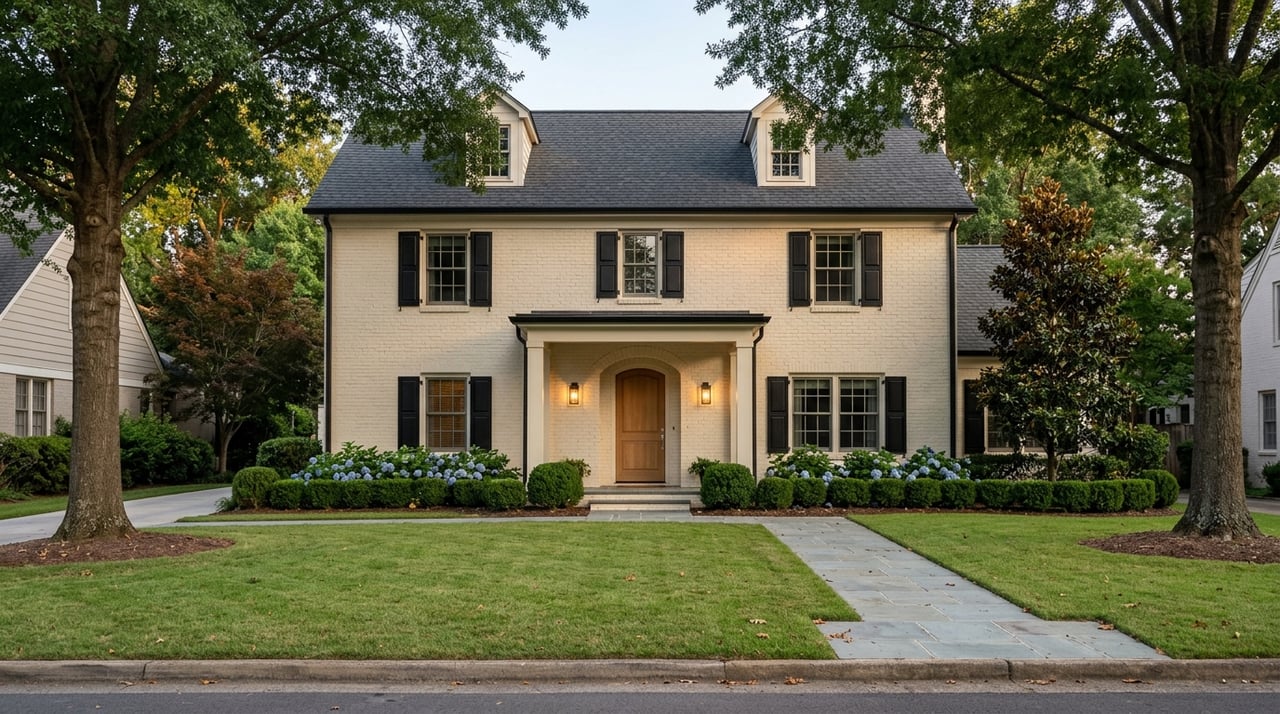
For many buyers, East Cobb stands out for its traditional neighborhood pattern. You will find a strong single-family home presence, county-managed amenities, and convenience that is spread across several commercial centers instead of centered in one walkable district.
How East Cobb compares nearby
If you are deciding between East Cobb, Roswell, Sandy Springs, and Marietta, it helps to think about lifestyle first. Each area serves a different kind of daily routine, even when the drive between them is not far.
East Cobb often appeals to buyers who want established suburban surroundings and a practical middle ground between value and prestige. Nearby suburbs can offer more historic character, more urban access, or a more defined downtown environment depending on what matters most to you.
Roswell feel and setting
Roswell has a more historic and river-oriented identity. The city continues to focus on preserving its Historic District and improving connections around Canton Street, Roswell Mill, Vickery Creek, and the Chattahoochee River.
If your ideal weekend includes historic streets, trail access, and time near the river, Roswell may feel more aligned with your lifestyle. It tends to offer a stronger sense of place around those destinations than East Cobb’s more distributed suburban layout.
Sandy Springs feel and setting
Sandy Springs is the most urbanized option in this group. The city includes the City Springs district, a broad major-road network, and a large park system connected to the Chattahoochee corridor.
If you want a more mixed-use environment with easier access to major employment centers on the north side of Atlanta, Sandy Springs may deserve a closer look. It generally feels more city-like than East Cobb, even though both offer access to parks and everyday conveniences.
Marietta feel and setting
Marietta offers a more classic historic city-center experience. As the county seat, it is anchored by Marietta Square, along with multiple locally designated historic districts and direct I-75 access.
If you like the idea of having a true downtown gathering place with events, restaurants, markets, and cultural destinations, Marietta may be the better fit. East Cobb, by contrast, tends to feel more neighborhood-driven and less centered on one civic core.
Home prices and housing options
Budget plays a major role in this decision, and the broad price ranges across these communities are meaningfully different. As of February 2026, East Cobb’s median sale price was $500,000, compared with $480,000 in Marietta, $645,000 in Roswell, and $676,000 in Sandy Springs, according to Redfin market data for East Cobb, Marietta, Roswell, and Sandy Springs.
That positions East Cobb in the middle of the group. It is slightly above Marietta on the broad city metric, but below Roswell and Sandy Springs, which can make it attractive if you want a balance of suburban setting and price.
What buyers see in East Cobb
Recent East Cobb sales show a practical range that many buyers can picture clearly. Examples in the research included a $400,000 brick-front traditional, a $600,000 brick traditional, and a $975,000 larger four-sided brick home.
That mix suggests East Cobb can work for different stages of homeownership. Whether you are looking for a move-up house, a more established traditional home, or a larger property in a mature setting, the area often provides a wide suburban spread.
How the other suburbs differ
Roswell’s pricing tends to run higher, but it also spans a broad range from suburban traditional homes to premium historic properties. Sandy Springs has the highest citywide median of the group, though it includes both lower-priced condo and townhome pockets and larger single-family areas.
Marietta has the lowest broad city median here, but that does not mean every part of Marietta is lower-priced. Downtown Marietta posted a much higher median in January 2026, which shows how much pricing can shift based on location and housing type.
Commute patterns matter more than distance
One of the biggest mistakes buyers make is assuming nearby suburbs function the same in daily life. In reality, commute experience depends on road access, traffic concentration points, and whether your routine points west, north, or toward Atlanta.
East Cobb benefits from Cobb County’s broader road network, but the tradeoff is that commutes are often highly location-specific and generally car-dependent. The best route can vary a lot depending on exactly where you live and where you need to go.
East Cobb commuting
Cobb County notes that county highways and interstates connect different parts of the county, with I-75 serving as a key north-south corridor and major county roads linking West Cobb and East Cobb. In practice, East Cobb can work well for many routines, but it does not have one single defining highway advantage for every commuter.
That is why East Cobb often works best if you value neighborhood feel first and are willing to map your commute carefully. A home that seems ideal on a weekend may feel very different on a Tuesday at 8 a.m.
Roswell commuting
Roswell is a natural option for many north-side commuters, but its road pattern comes with a clear tradeoff. The city says Holcomb Bridge Road is its only access to SR 400 and one of its biggest congestion challenges, which is part of why the city is pursuing east-west connectivity improvements.
If your work or routine depends heavily on GA-400 access, Roswell may still be a strong fit. You will just want to think carefully about peak-hour bottlenecks and your likely route.
Sandy Springs commuting
Sandy Springs has the strongest major-road coverage in this comparison. The city states that I-285, GA-400, and SR 9 all pass through Sandy Springs, and its materials identify Central Perimeter as a major employment center.
For buyers prioritizing flexible north-side commuting and easier access to Perimeter-area jobs, Sandy Springs often stands out. If commute convenience is your top priority, it may be the most strategic option in the group.
Marietta commuting
Marietta is a straightforward choice for buyers who want simple I-75 access. The city says Marietta is about 15 miles northwest of Atlanta and is directly connected through I-75 and US 41.
That tends to make Marietta especially appealing if your routine leans west-northwest rather than toward GA-400. If your work, family, or activities regularly take you in that direction, Marietta may feel easier in daily use than Roswell or Sandy Springs.
Parks, charm, and everyday routine
Beyond price and commute, your choice often comes down to how an area feels on an ordinary day. Think about where you will shop, spend a Saturday afternoon, meet friends, or get outside.
East Cobb’s signature green space is East Cobb Park, a 13-acre county park with trails, pavilions, open grass, creek overlooks, and a playground. Cobb County says it is one of the most heavily used parks in the county system, which speaks to how central it is to local daily life.
East Cobb convenience style
In East Cobb, convenience is spread across multiple suburban nodes. That includes shopping and dining around The Avenue East Cobb and access to nearby destinations such as Marietta Square.
If you prefer practical convenience over a downtown-centered lifestyle, this can be a real advantage. You may give up some walkable centrality, but you gain a more traditional suburban layout with multiple everyday anchors.
Roswell charm style
Roswell blends preserved historic character with strong access to trails, parks, and the river. Its planning efforts continue to reinforce links between residential areas, parks, the Historic District, and the Chattahoochee corridor.
For buyers who want a stronger mix of outdoor access and historic identity, Roswell has a distinct appeal. It often feels more destination-oriented than East Cobb in terms of where people gather and spend time.
Sandy Springs amenity style
Sandy Springs offers a more city-like amenity package. The city reports more than 950 acres of parkland, 16 parks, and 22 miles of Chattahoochee shoreline, while Morgan Falls Overlook Park adds river views, a trail, a dock, and picnic areas.
Paired with City Springs, that gives Sandy Springs a mix of green space and mixed-use convenience that stands apart from East Cobb. If you want parks and a more urban rhythm, it can be a compelling combination.
Marietta everyday appeal
Marietta’s biggest lifestyle draw is the Square. The city describes it as a central gathering place for festivals, concerts, markets, shopping, restaurants, museums, and theatres.
If you want your everyday routine to include a recognizable downtown center, Marietta is hard to ignore. East Cobb may offer comparable practical convenience, but Marietta delivers it with a more defined civic heart.
Which suburb fits your priorities?
The best choice depends less on which place is “better” and more on which tradeoffs feel right for you. These four areas each offer a different blend of housing, access, and local character.
Here is a simple way to think about it:
- Choose East Cobb if you want established suburban neighborhoods, mostly single-family housing, county parks, and a middle-ground price point.
- Choose Roswell if you are drawn to historic charm, river access, trail connections, and a stronger destination feel around its historic areas.
- Choose Sandy Springs if commute flexibility, major-road access, mixed-use living, and a more urban setting matter most.
- Choose Marietta if you want the broadest value entry point in this comparison and enjoy the idea of a square-centered downtown environment.
In many cases, East Cobb becomes the natural first stop because it blends space, convenience, and an established suburban feel without reaching the broader median prices seen in Roswell and Sandy Springs. For buyers trying to balance lifestyle and budget, that middle ground can be very appealing.
If you are still weighing the options, the next best step is to compare specific neighborhoods, commute routes, and housing types side by side. Sandra Daniels brings local East Cobb and Greater Atlanta insight, thoughtful guidance, and a concierge-style approach to help you narrow the field and move forward with confidence.
FAQs
Should you choose East Cobb or Marietta if value matters most?
- On the broad city median, Marietta was lower at $480,000 versus East Cobb at $500,000 as of February 2026, though pricing can vary significantly by neighborhood and home type.
Is East Cobb or Roswell better for historic charm and outdoor access?
- Roswell is the clearer fit if your priority is historic district character, river access, and trail connectivity, while East Cobb is more suburban and neighborhood-driven.
Is Sandy Springs or East Cobb better for commuting to north-side Atlanta jobs?
- Sandy Springs generally has the stronger major-road advantage because I-285, GA-400, and SR 9 all pass through the city.
Does East Cobb have a downtown like Marietta Square?
- No. East Cobb is more spread out, with convenience centered around suburban shopping and dining nodes rather than one downtown core.
Is East Cobb a city in Cobb County?
- No. East Cobb is an established suburban area in unincorporated Cobb County, east of Marietta.
What kind of homes can you expect in East Cobb compared with nearby suburbs?
- East Cobb is known for a strong single-family housing mix, while Sandy Springs includes more condo and townhome pockets and Roswell and Marietta can vary more by district and setting.