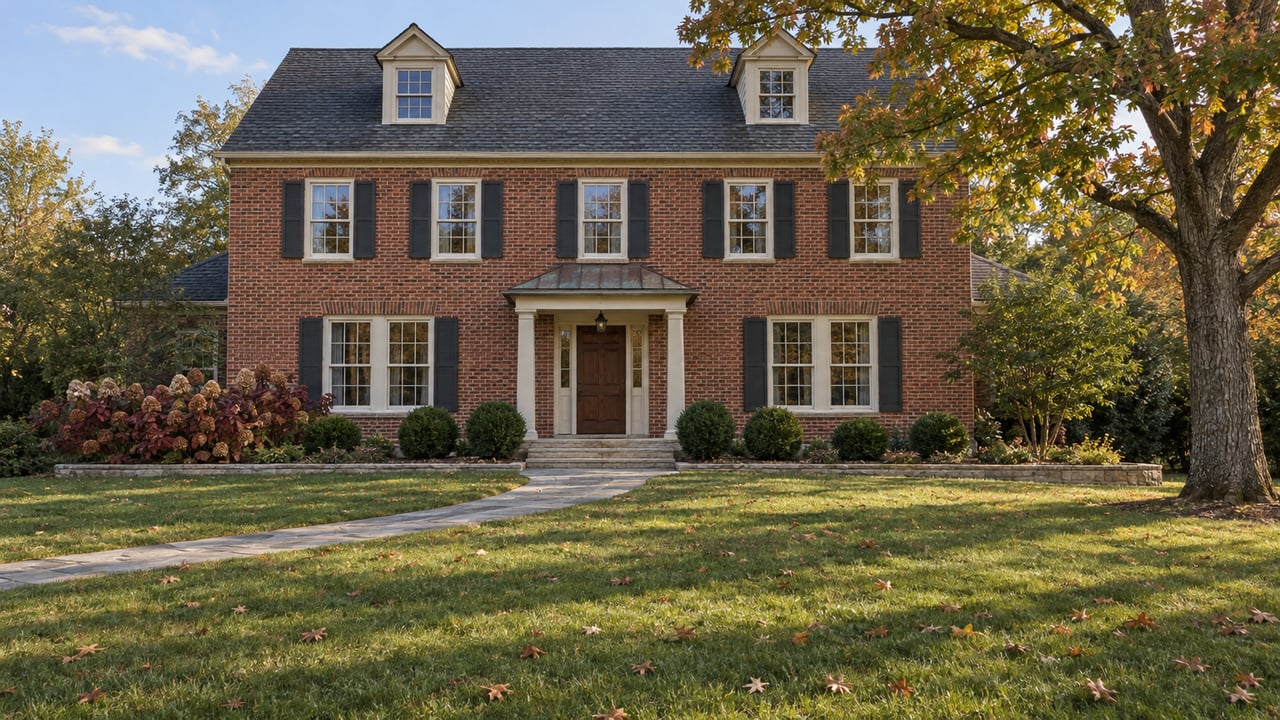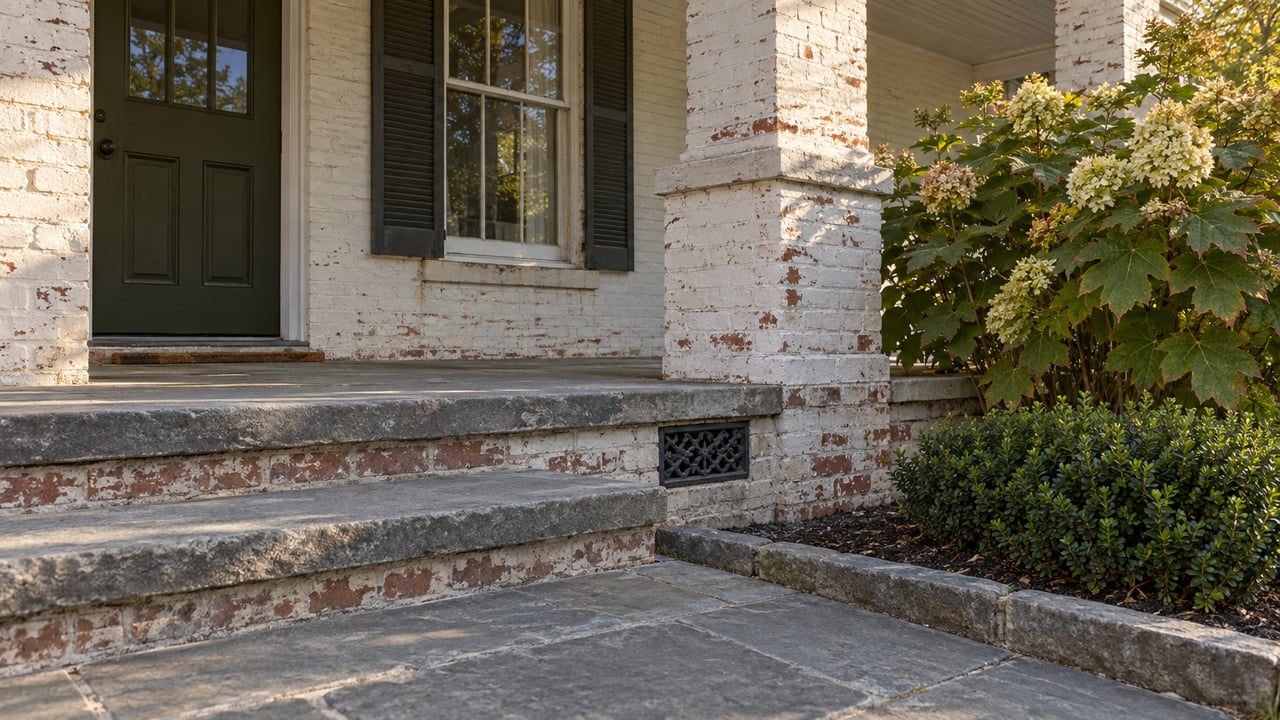
A homeowner on Kennesaw Avenue and a homeowner two blocks away on the Marietta Square may each face an approval process before making changes to a historic property or a structure within a historic district. Neither one can assume the other's process. One files with the Marietta Historic Preservation Commission. The other answers to a separate nine-member body called the Historic Board of Review. Different code chapter, different appointees, different meeting calendar. The certificate looks the same on paper. The path to get one does not.
This matters most for anyone preparing to sell, buy, or renovate inside one of Marietta's designated districts, because the timeline for closing or listing often runs straight through whichever board happens to have jurisdiction over that particular street.
The city has four historic districts and two different gatekeepers
Marietta maintains three locally designated residential historic districts: Kennesaw Avenue, Church-Cherokee Streets, and Forest Hills. All three fall under the Marietta Historic Preservation Commission, a seven-member body created under state code, with each city council member nominating one commissioner. Several districts also get an ex-officio voting member who weighs in only on matters specific to their own street.
The Downtown Marietta Historic District, the district that covers the Square itself, is different. It answers to the Historic Board of Review, a separate nine-person board created under its own ordinance chapter. The mayor and each council member nominate one member, and a ninth seat goes to someone with demonstrated expertise in history, architecture, or preservation. Same city, same general purpose, different roster of people deciding whether your porch rail or your paint color gets approved.
The City of Marietta's own historic districts page lists these bodies separately for a reason. They are not interchangeable, and a seller who assumes their Church Street application goes through the same channel as a neighbor's project on the Square can lose real time confirming that assumption was wrong.
Kennesaw Avenue set the precedent, and it's still the one people picture
When people picture a Marietta historic home, they are often picturing Kennesaw Avenue whether they know the name or not. The City of Marietta records that it became the city's first locally designated residential historic district on August 14, 2013, after what the Marietta Daily Journal described at the time as years of council debate over a stretch of antebellum homes. The City of Marietta's nomination report describes the district as roughly 11 acres and 15 parcels, seven on each side of the street plus one unbuildable lot that provides rear access. The west side lots run larger and deeper. The east side, backed up against the railroad tracks, runs smaller and shallower with steeper grades behind the houses.
The architectural mix leans Georgian and Queen Anne, with high-style Greek Revival examples like the Archibald-Howell house sitting alongside more vernacular interpretations on the east side. That range matters for a seller, because the Commission's design guidelines are written to protect the specific character of each home type, not a single uniform look.
The City of Marietta records that Church-Cherokee Streets was designated January 4, 2016, with its own design guidelines adopted two months later on March 9, 2016. Forest Hills carries a separate set of design guidelines as well. Each district has its own document. None of the three shares an approval form with the Downtown district, and none of them shares one with each other either, at least not formally, even though all three answer to the same Commission.
What actually triggers a Certificate of Appropriateness
The ordinance defines the trigger broadly. New signage, new awnings, and repainting that changes a property's appearance all count. The rule applies only to exteriors, not interiors, so a kitchen renovation that never touches the street-facing facade generally stays outside this process entirely.
There is no fee to apply. The city's own applications page carries a specific warning about scammers who have sent phony invoices to people who filed a Certificate of Appropriateness application, with an instruction not to pay them. That detail alone tells you something about how many homeowners are moving through this system at any given time.
Not everything requires full review. The City of Marietta defines "housecleaning" as upkeep that does not constitute a material change. Before signing any contractor agreement, confirm with city planning staff whether a specific scope needs a certificate at all.
The clock and the appeal window
Neither board publishes a fixed turnaround time, because the process is not built around a fixed number of days. The Historic Preservation Commission meets on its own schedule, and the Marietta Code of Ordinances requires the secretary to notify members at least 48 hours ahead of any meeting, which tells you this runs on a meeting cadence rather than same-week processing. A seller who wants to close a renovation before listing needs to build calendar time around whichever board's next scheduled meeting actually lands, not around a standard permitting estimate.
If a determination goes against you, there's a ten-day window to appeal to city council. The council can approve, modify and approve, or reject the board's decision if it finds the board abused its discretion in reaching it. Further appeal beyond that follows Georgia law.
One more provision worth knowing if you're dealing with a genuinely deteriorated structure inside one of the three residential districts: if an owner can show a building classified as historic is unable to earn a reasonable economic return on its value, and the Commission fails to recommend a certificate of approval for demolition within 12 months of a hearing, the building may be demolished subject to compliance with the rest of the section. That's a narrow safety valve, not a shortcut, but it exists in the code for exactly the situation where preservation and economic reality stop lining up.
What shows up inside these houses once you're past the paperwork
The regulatory sequence is only half the friction. The other half is what an inspector finds once they're inside a home built well before modern building codes existed.
Crawlspace moisture consistently ranks near the top of inspection findings in Marietta's older housing stock. Many of these neighborhoods were built with crawlspace foundations, and while that design gives easy access to plumbing, electrical, and HVAC components, it also creates conditions where moisture intrusion becomes a recurring issue rather than a one-time fix.
Marietta's clay soil compounds this. Negative grading, where the ground around a foundation slopes toward the house instead of away from it, shows up repeatedly in local inspections. The good news for sellers is that grading corrections tend to run far cheaper than the structural repairs that uncorrected drainage eventually forces.
The tree canopy that gives these historic streets their character creates its own maintenance line. Limbs rubbing against shingles accelerate roof wear over time, and tree roots commonly work their way into aging sewer lines throughout Marietta's established neighborhoods. None of this is unique to any one historic district. It's a function of age and soil, and it applies whether the house sits on Kennesaw Avenue, Church Street, or a Forest Hills lot outside any local historic overlay at all.
Homes just outside the city's historic corridors, including East Cobb properties on a Marietta mailing address, tend to carry fewer age-related concerns but still show up with roof, drainage, and HVAC issues in inspections. Minor foundation movement is common across the region given Georgia's expansive clay soils, though any movement beyond minor settling should always get a closer structural look before it factors into a listing price or a repair credit negotiation.
Sequencing the pre-list checklist
For a homeowner getting ready to sell a character home in one of these districts, the order of operations looks different than a standard suburban listing prep. First, confirm which board actually has jurisdiction: the Historic Preservation Commission for Kennesaw Avenue, Church-Cherokee Streets, or Forest Hills, or the Historic Board of Review if the property sits in the Downtown district. Second, confirm whether the planned work is a housecleaning exemption or something that needs a full Certificate of Appropriateness, since guessing wrong here costs weeks, not days. Third, pair that regulatory step with a look underneath the house, not just at the paint, because crawlspace moisture and grading issues surface during buyer due diligence just as reliably as they surface during a listing inspection, and it's better to know both stories before a buyer's inspector tells you at once.
A short FAQ
What if my street has never been formally designated, but the houses look historic? Check the property's designation with city planning staff before planning exterior work.
If you're weighing a sale or a renovation on one of Marietta's historic streets and want help figuring out which board governs your address and how to sequence the work before you list, Sandra Daniels can walk through it with you street by street.
This article is general information, not legal, tax or financial advice. Consult a qualified professional about your situation.