Looking for a place that feels connected, character-filled, and practical for daily life? Marietta offers a different rhythm than many newer suburban areas in Cobb County, with historic in-town neighborhoods, a walkable downtown core, trail access, and a housing mix that ranges from condos and townhomes to larger single-family homes. If you are considering a move here, this guide will help you understand what living in Marietta can really look like day to day. Let’s dive in.
Why Marietta Stands Out
Marietta sits about 15 miles northwest of Atlanta and serves as the county seat in the center of Cobb County. The city highlights its small-town feel and convenient access to downtown Atlanta, which helps explain why it appeals to buyers who want local character without feeling cut off from the metro area.
One of the biggest draws is the Historic Marietta Square. Official city and tourism sources describe it as the central gathering place, with shops, museums, restaurants, theaters, nightlife, and year-round events that give the area a steady sense of activity.
Marietta Neighborhood Feel
Marietta does not read like one uniform suburb. The city’s own planning and historic district materials describe a set of distinct in-town character areas, each with its own streetscape, lot pattern, and housing style.
That matters if you are house hunting here. Your experience can vary quite a bit depending on whether you want to be close to the Square, prefer a historic corridor, or need a more straightforward townhome or condo option.
Historic districts near downtown
Marietta has five National Register Historic Districts: Atlanta-Frasier, Church-Cherokee Street, Northwest Marietta Street, Washington Avenue, and Whitlock Avenue. The city also maintains local district information for Downtown Marietta, Forest Hills, and Kennesaw Avenue.
These areas tend to attract buyers who value architecture, established streets, and a setting that feels more rooted than master-planned. In practical terms, that can mean more variety from one block to the next and fewer cookie-cutter homes.
Church-Cherokee area
Church-Cherokee is mostly residential and sits north of downtown. According to the city handbook, large 19th-century estates were gradually subdivided into lots with later homes, and the area includes postwar houses with generally large yards.
The edges blend into bungalow and ranch communities, which gives the area a layered look. If you like older neighborhoods with some breathing room, this part of Marietta is worth a closer look.
Washington Avenue area
Washington Avenue is more pedestrian-oriented and includes some of Marietta’s oldest residential buildings. The city describes a mix of grand Victorian homes and smaller Folk Victorian cottages, often on smaller yards.
Closer to the Square, some houses have been converted to professional offices. That can create a more mixed-use feel than you may find in a purely residential neighborhood.
Atlanta-Frasier and Kennesaw Avenue
Atlanta-Frasier is a smaller corridor of grand homes and bungalows that retains a more rural feel in parts. Kennesaw Avenue, located less than a mile from the Square, is known for its historic character and broad mix of architectural styles.
City documentation for this corridor references Georgian, Queen Anne, bungalow, Greek Revival, Colonial Revival, and Folk Victorian examples, among others. If you enjoy homes with visible architectural personality, this area offers a lot to study.
Home Styles You Will See
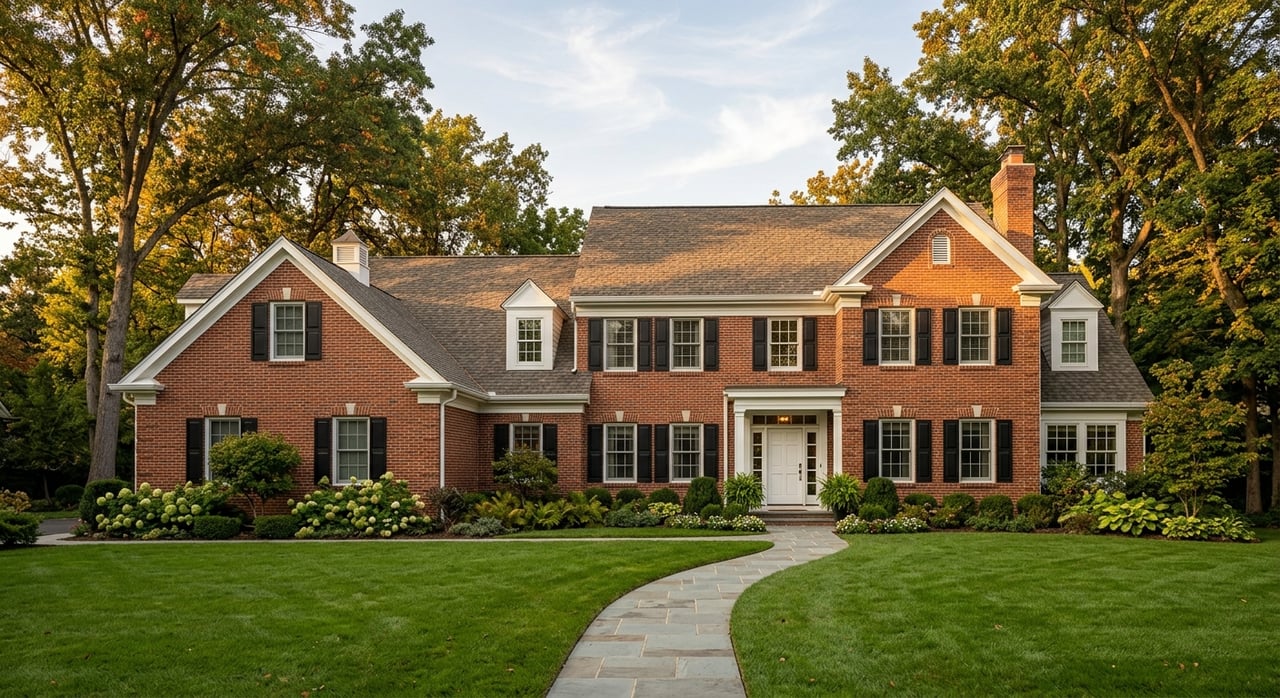
Marietta’s in-town housing stock spans several eras. City design guidance points to recurring styles such as Georgian houses, Queen Anne cottages and houses, gabled wing cottages, American Small Houses, Folk Victorian, Neoclassical Revival, and Art Deco.
In plain English, you will see everything from Victorian-era homes and early-20th-century cottages to mid-century ranches and smaller postwar homes. That variety is one reason Marietta appeals to buyers who want options beyond newer subdivision housing.
What Homes Cost in Marietta
Marietta offers a broad range of housing opportunities, from small apartments and modest condos to upscale residences. Current market data suggests pricing is generally centered in the high-$400,000s to low-$500,000s citywide as of spring 2026.
Here is a simple snapshot of the current range reported across major market sources:
| Market measure | Reported figure |
|---|---|
| Median sale price | $475,000 |
| Average home value | $479,794 |
| Median listing price | $515,000 |
| Median townhouse listing price | $400,000 |
Redfin also reports 41 condos and 6 multi-family units in the market snapshot, along with 147 townhouses for sale, which reinforces that Marietta is not limited to one housing type. The market is described as somewhat competitive, with homes receiving about three offers on average.
Daily Life in Marietta
Daily life in Marietta often revolves around a mix of car convenience and concentrated walkability. The Square is walkable, but the city overall is still largely car-dependent for many errands.
Redfin gives Marietta a Walk Score of 36, which supports that distinction. You may be able to enjoy an easy stroll downtown in one part of the city, while still relying on your car for groceries, appointments, or commuting.
Driving and road access
Marietta is easy to reach by car through I-75, U.S. Highway 41, and several state routes. The city’s directions pages point to downtown access from I-75 exit 265, Cobb Parkway, Powder Springs Road, and Whitlock Avenue.
For many buyers, that road network is part of the appeal. It makes it easier to balance local living with access to other parts of Cobb County and the greater Atlanta area.
Transit options
Public transit is centered on CobbLinc. The county says the system includes the Marietta and Cumberland transfer centers, nine local routes, a free circulator route, and a microtransit zone.
The Marietta Transfer Center at 800 South Marietta Parkway serves as the local hub, and there is also a park-and-ride lot there. CobbLinc Go adds on-demand service in South Cobb and southwestern Marietta for $2.50 per ride.
Trails and Parks
If outdoor access matters to you, Marietta has some strong everyday lifestyle advantages. The city’s trail and parks system creates more ways to get outside without planning a full weekend outing.
Mountain to River Trail
The Mountain to River Trail is a 13.5-mile regional trail, with 3.5 miles inside Marietta city limits. Within the city, it connects Kennesaw Mountain, the Kennestone Hospital area, the Historic Downtown Square, Brown Park, and the City Cemetery.
The full route also connects onward to the Noonday Creek Trail system and the Silver Comet by way of Smyrna. For many residents, that kind of connectivity adds real value to day-to-day life.
Local parks
Marietta says it operates 18 parks. A.L. Burruss Nature Park covers 45.66 acres and allows off-road bicycling on designated trails, while Laurel Park spans 25 acres and includes a tennis center, 13 lighted courts, a walking trail, and playground space.
These amenities help round out the city’s lifestyle. Whether you want a quick walk, a bike ride, or a place to spend part of a Saturday, there are several ways to stay active close to home.
Events and the Downtown Rhythm
One of the clearest signs of Marietta’s personality is how active the Square stays throughout the year. Glover Park, located on the Historic Marietta Square, is the center of the city’s event calendar.
The city lists events such as the Glover Park Concert Series, Brown Bag Concerts, May-Retta Daze, the Fourth of July Celebration and Independence Eve, HarvestFest, Christmas Tree Lighting and Santa on the Square, and Marietta SoccerFest '26. City messaging says these events help promote tourism, showcase local talent, and keep downtown vitalized.
The Square page also notes festivals, concerts, markets, shopping, antiques, restaurants, museums, theaters, and both free and paid parking options. If you want a place where there is usually something going on without driving into Atlanta, that is a meaningful lifestyle advantage.
A Few Practical Things to Know
Marietta’s historic charm can come with extra planning. In some locally designated historic areas, exterior work may require city approval before a project begins.
For example, the city notes that Kennesaw Avenue requires a Certificate of Appropriateness for exterior projects, and the Church-Cherokee materials focus heavily on restoration standards and preservation best practices. If you are buying a historic property, it is smart to understand those rules early.
That does not make historic ownership a drawback. It simply means the decision should come with clear expectations about maintenance, renovation flexibility, and long-term stewardship.
Is Marietta Right for You?
Marietta can be a strong fit if you want more housing variety, established neighborhood character, and a downtown that actually functions as a gathering place. It also works well for buyers who like having trails, parks, and community events woven into everyday life.
At the same time, your best fit within Marietta depends on what matters most to you. Some buyers want historic architecture near the Square, while others prioritize townhome convenience, easier maintenance, or a more traditional single-family layout.
That is where local guidance matters. A neighborhood that looks right on paper can feel very different once you compare street patterns, lot sizes, home condition, and daily driving routes.
If you are thinking about buying or selling in Marietta, working with a local advisor can make the process much clearer. Sandra Daniels offers thoughtful, concierge-style guidance across Marietta and Greater Atlanta, with the neighborhood insight and strategic support that help you move with confidence.
FAQs
What is daily life like in Marietta, GA?
- Daily life in Marietta blends a walkable downtown core around the Square with a more car-dependent pattern across much of the city, plus access to parks, trails, community events, and regional road connections.
What kinds of homes are common in Marietta neighborhoods?
- Marietta includes a wide mix of housing, including historic Victorian-era homes, early-20th-century cottages, mid-century ranches, postwar homes, condos, and townhomes.
What is the typical home price range in Marietta, GA?
- Current market data places Marietta generally in the high-$400,000s to low-$500,000s citywide, with reported figures including a $475,000 median sale price, a $479,794 average home value, and a $515,000 median listing price.
Are there walkable areas in Marietta, GA?
- Yes. The Historic Marietta Square is a walkable area with shops, dining, museums, theaters, and events, though the city overall remains less walkable and often requires driving for daily errands.
Do historic homes in Marietta have renovation rules?
- Some do. In certain locally designated historic areas, exterior work may require city approval, such as a Certificate of Appropriateness before work begins.
What are some popular outdoor features in Marietta, GA?
- Popular outdoor features include the Mountain to River Trail, A.L. Burruss Nature Park, Laurel Park, and the city’s broader system of 18 parks.